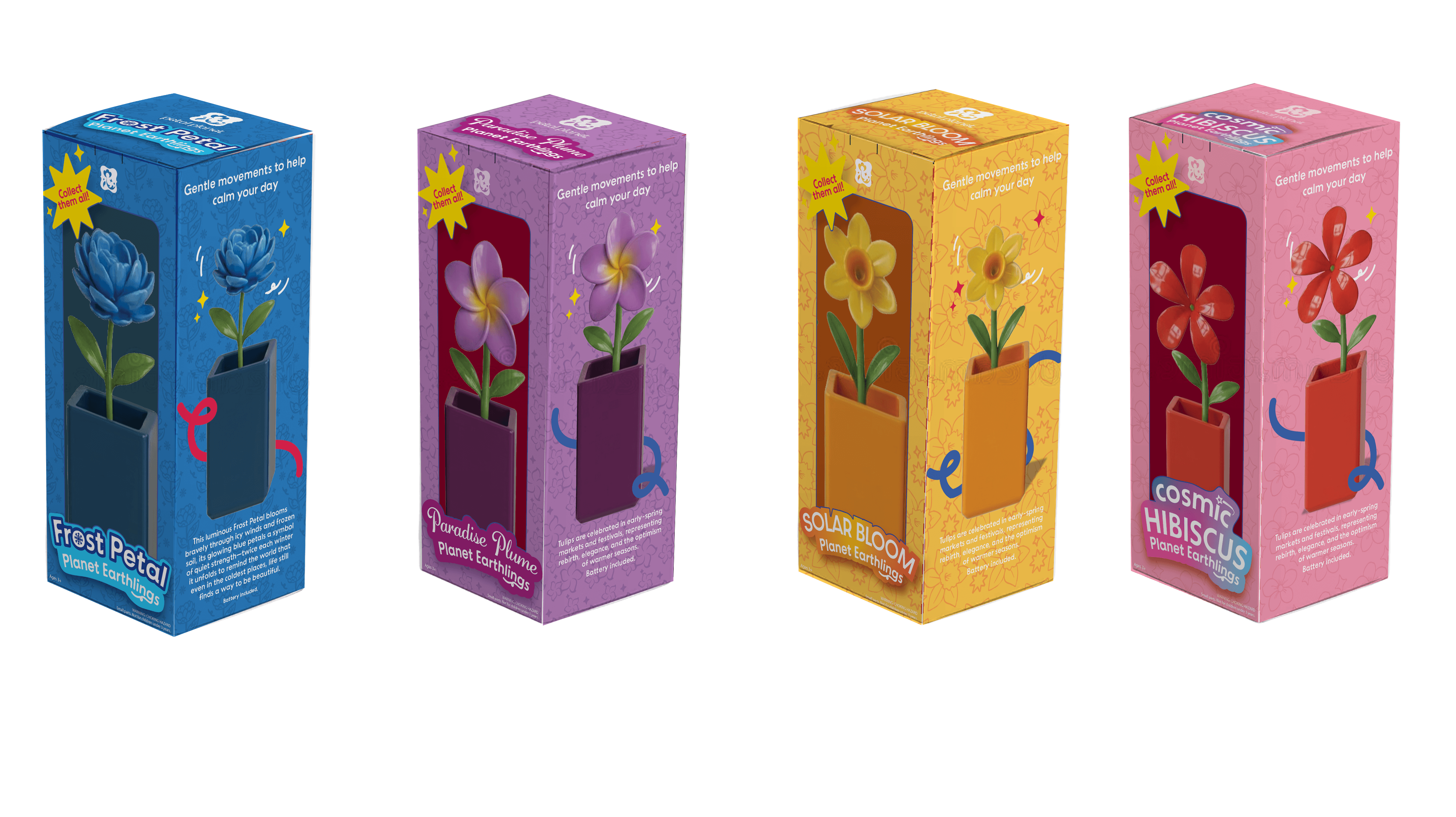
Petal Planet
Brand & Product Designer
December 2025
Timeline: 3 months
Team: 4 designers
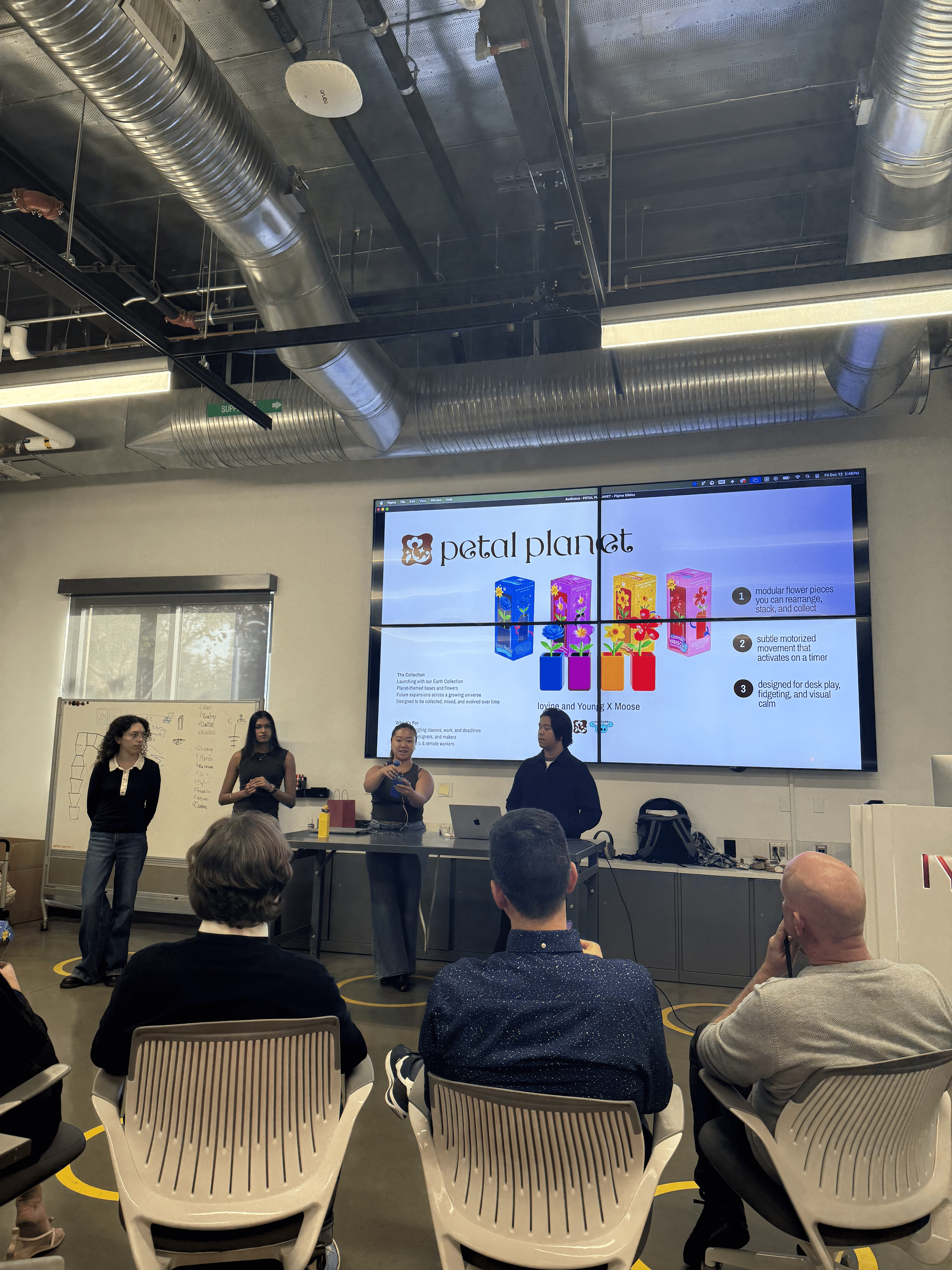
Client Presentation:
Moose Toys senior leadership
This project involved concept development, prototyping, and brand creation, culminating in a final pitch to Moose executives.
Design Goals
Create a collectible, modular toy
Use minimal technology
Introduce a new interaction style within the toy category
Ideation
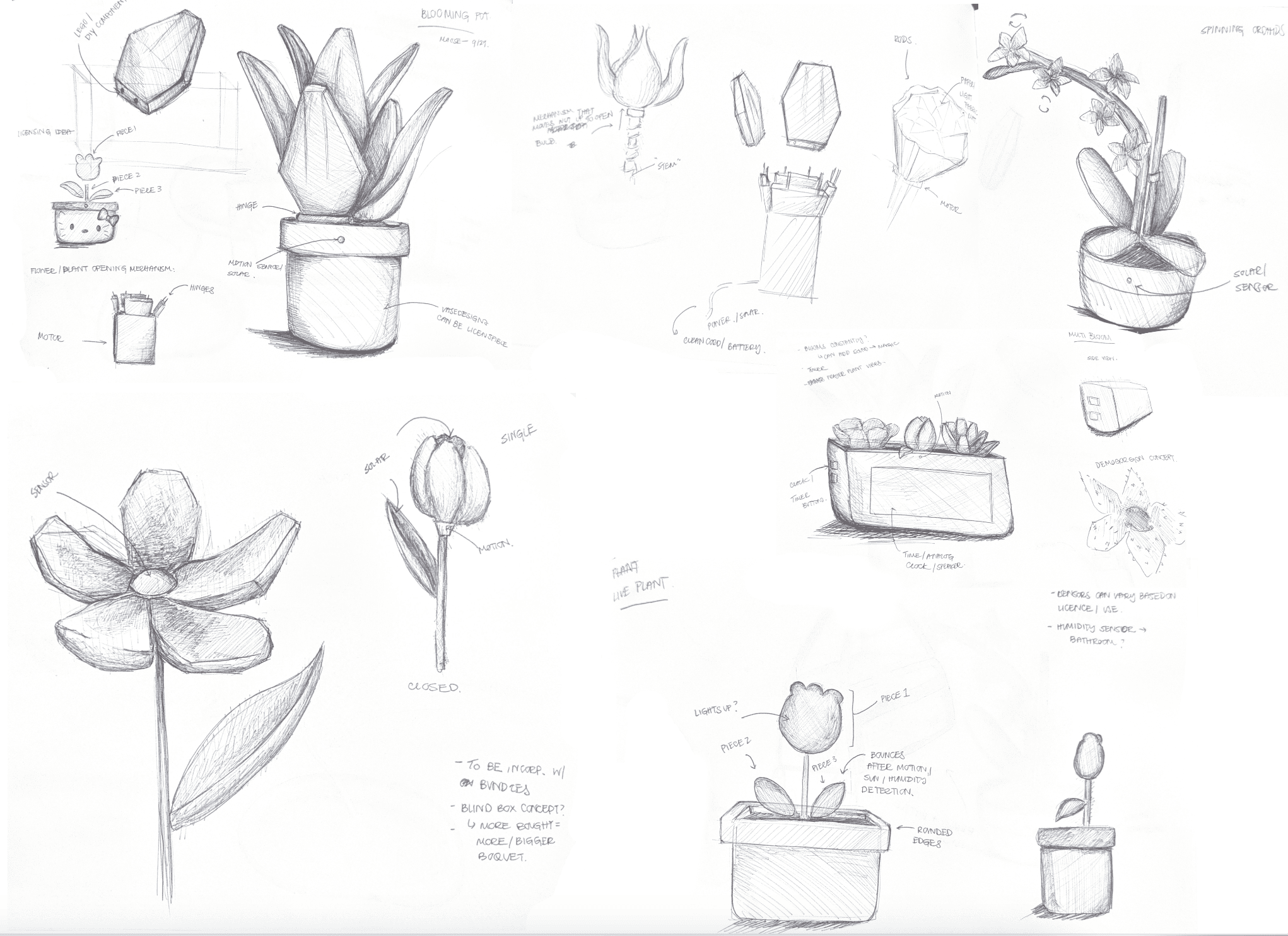
We kicked things off with rapid sketch exploration, generating a broad range of interaction concepts and form directions. From the start, I was also thinking through how components would connect—prioritizing modularity and ease of assembly.
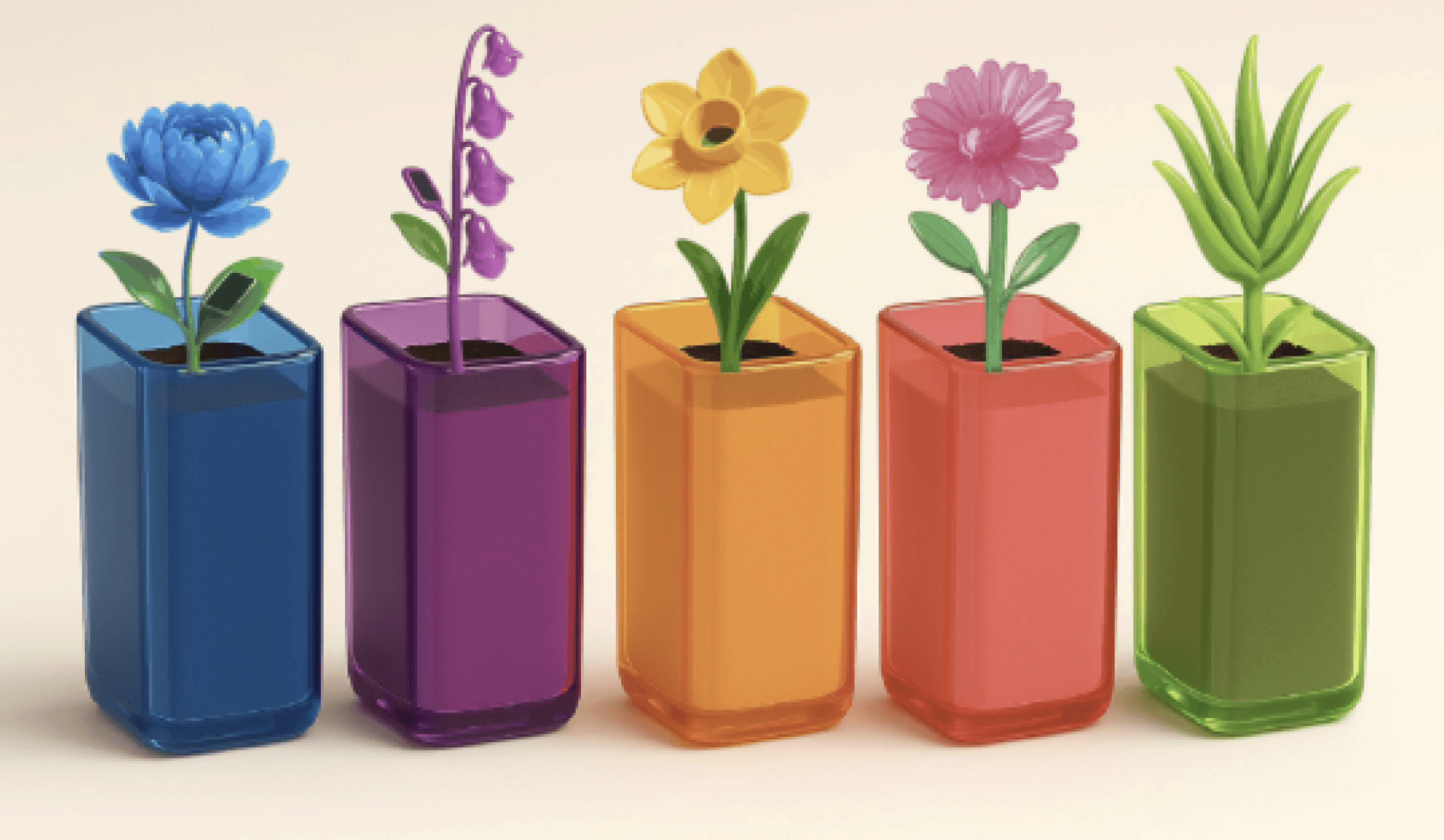
Through our sketches, we generated AI images to visualize a fully realized version of the product, allowing us to pitch the concept to Moose during our second-week review. The team responded strongly to the idea of a desk plant paired with colorful, collectible vases, so we chose to further develop that direction.
Prototyping
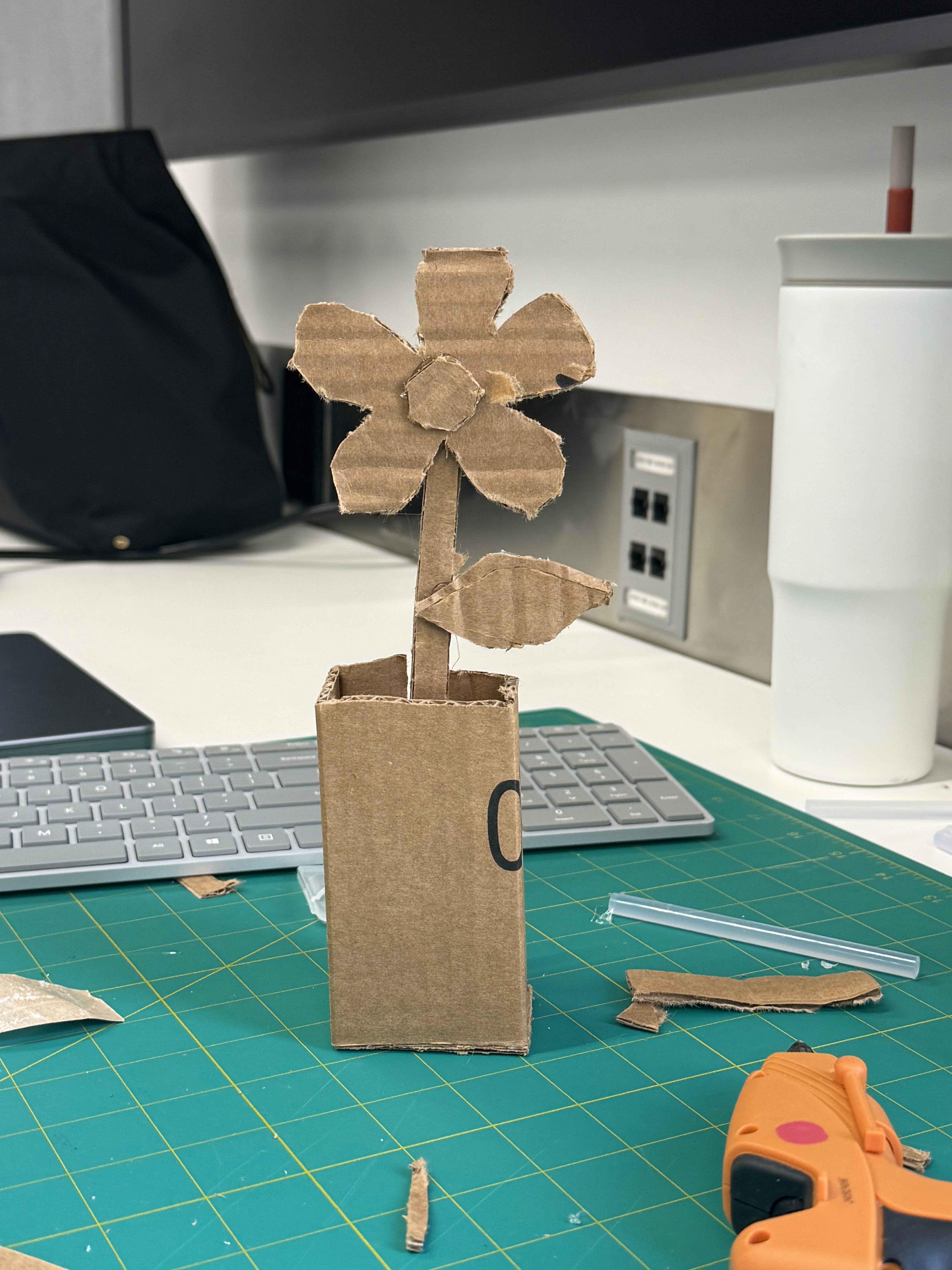
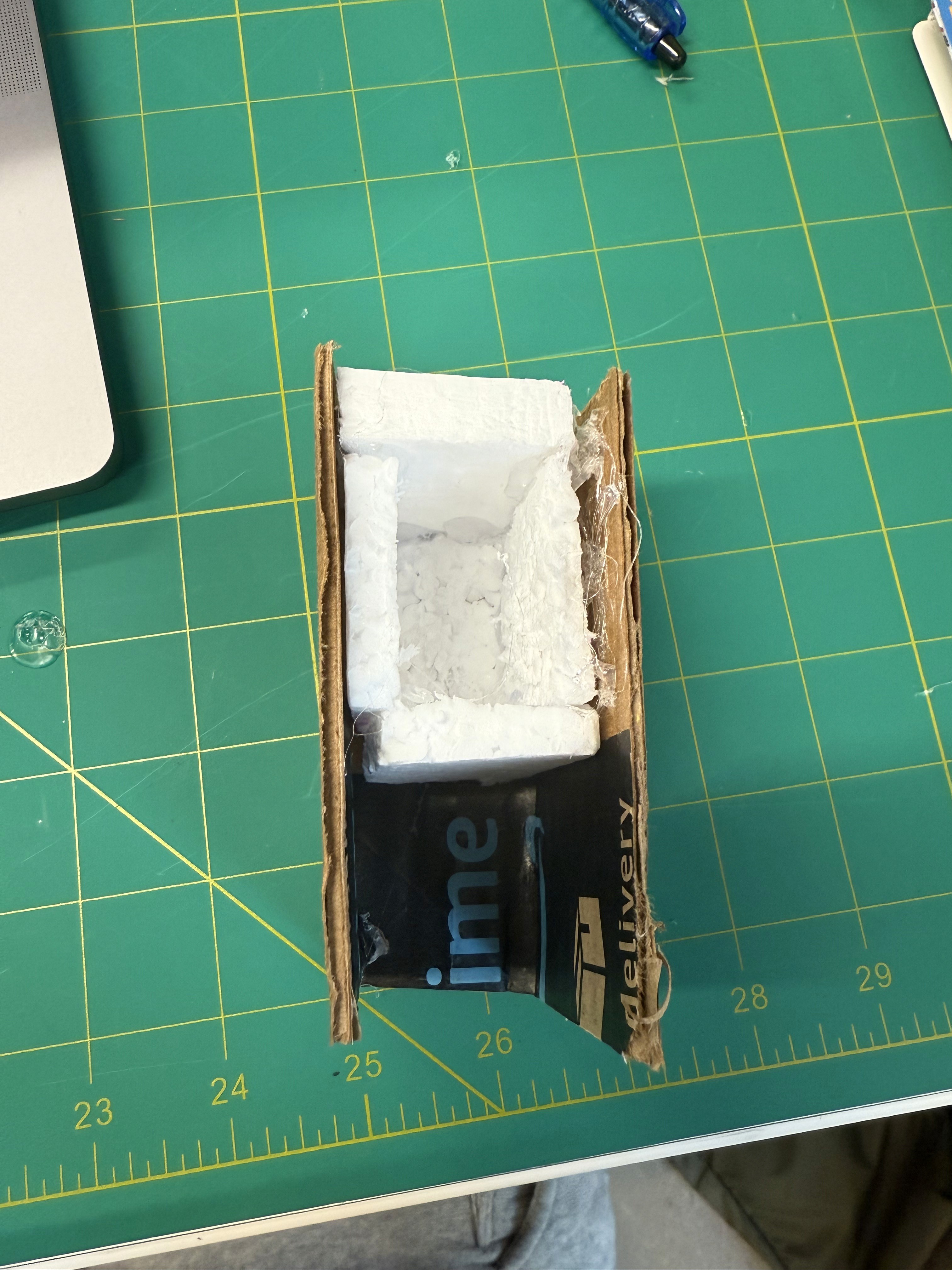
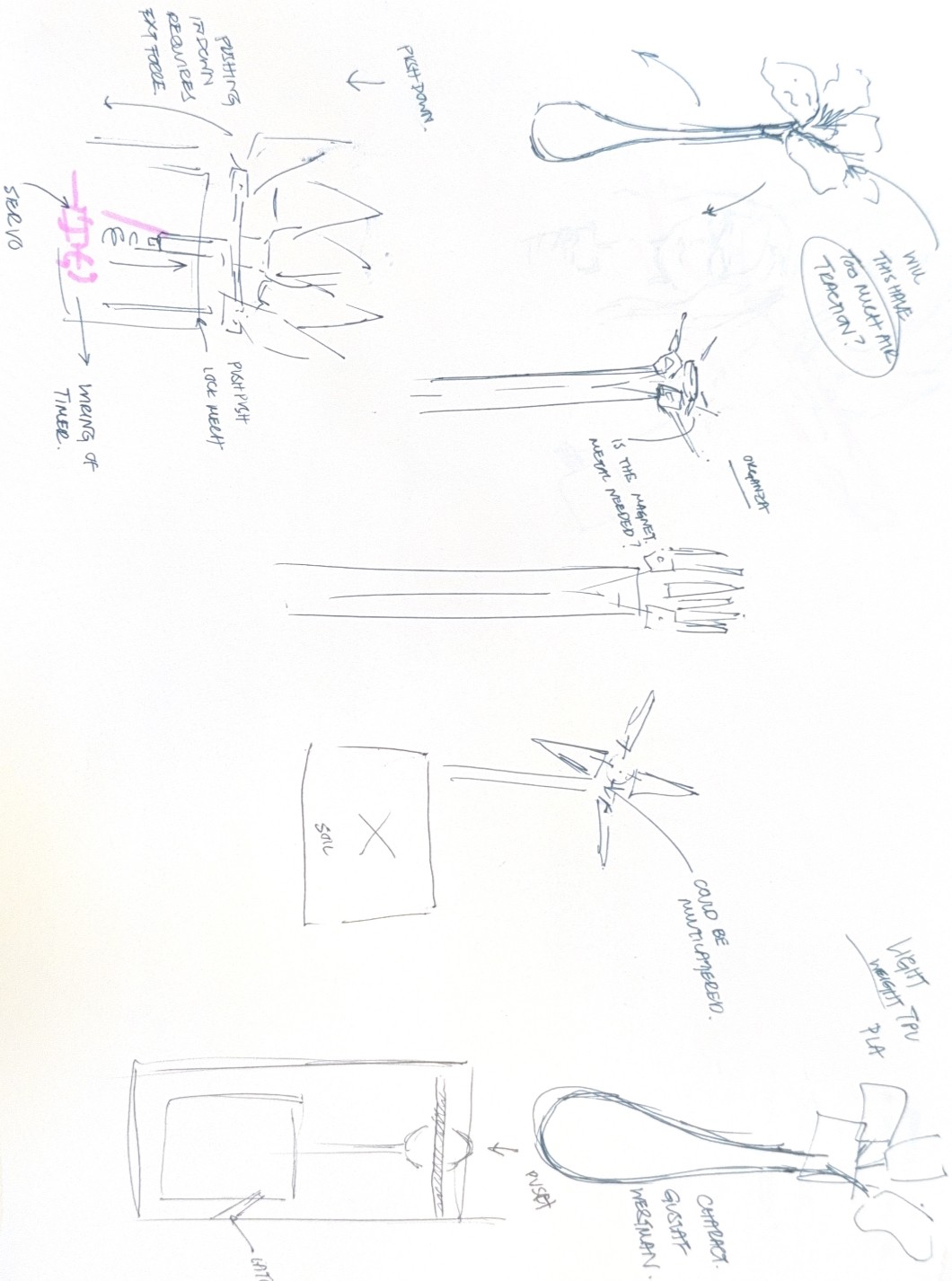
CAD Models
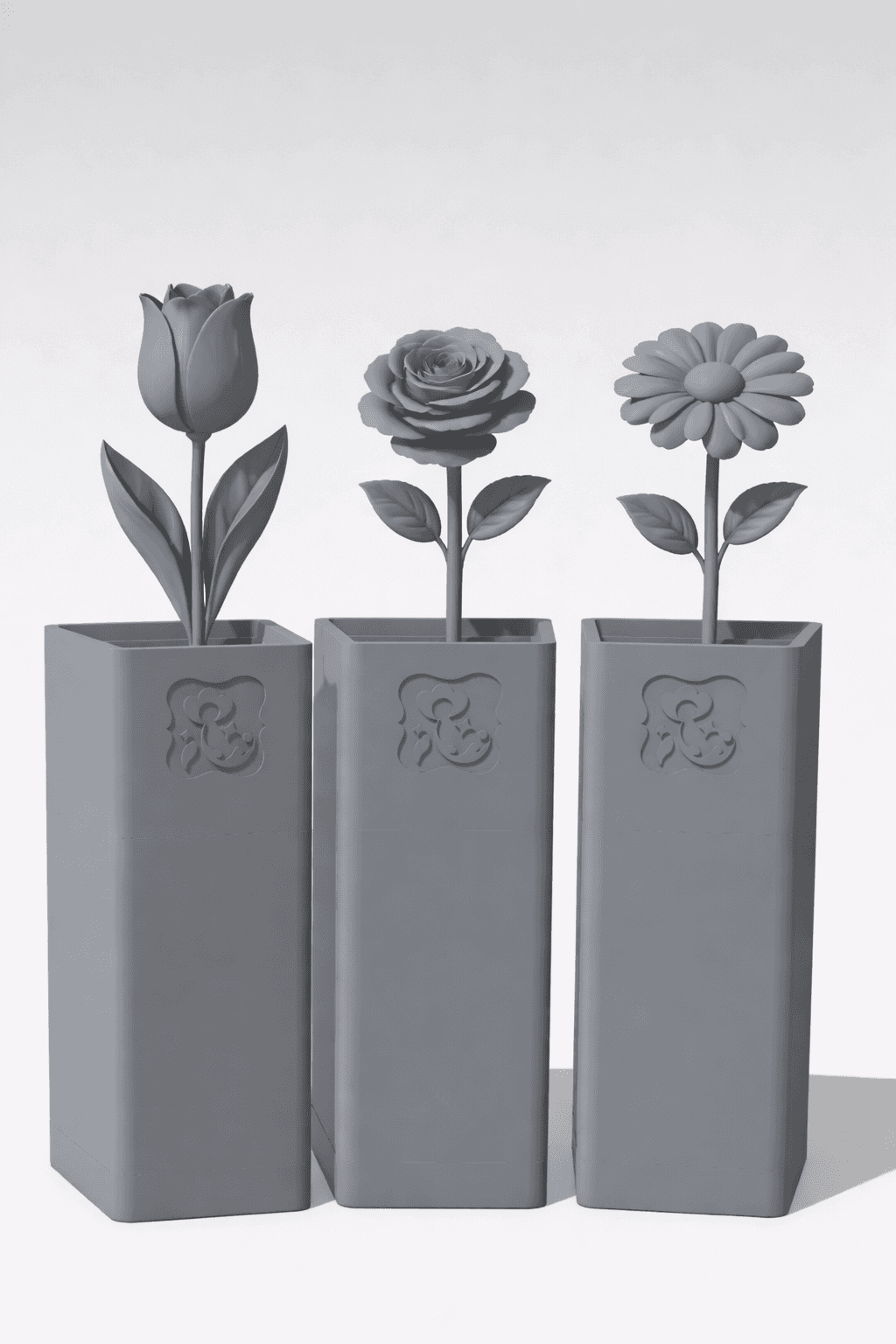
The Flower
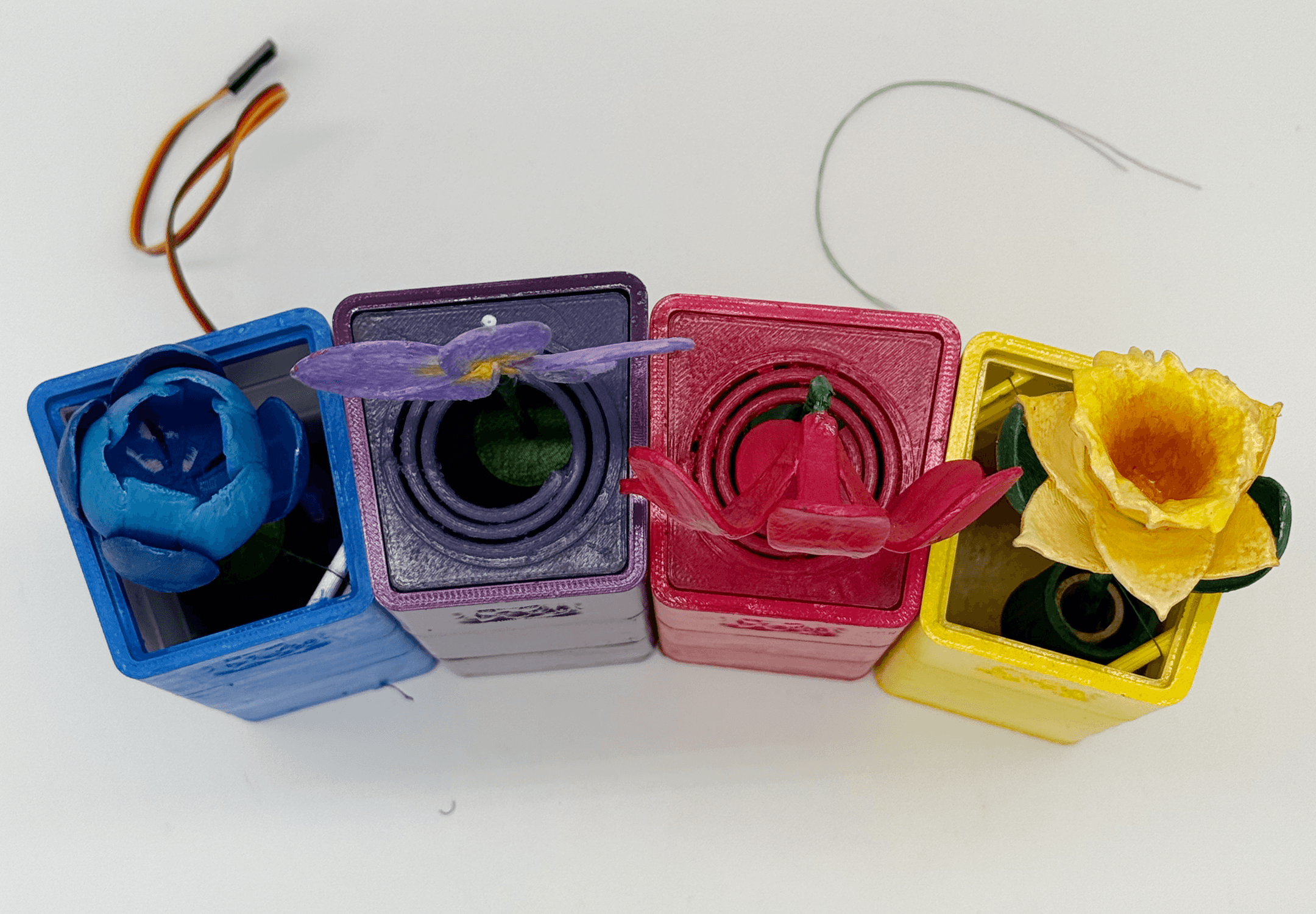
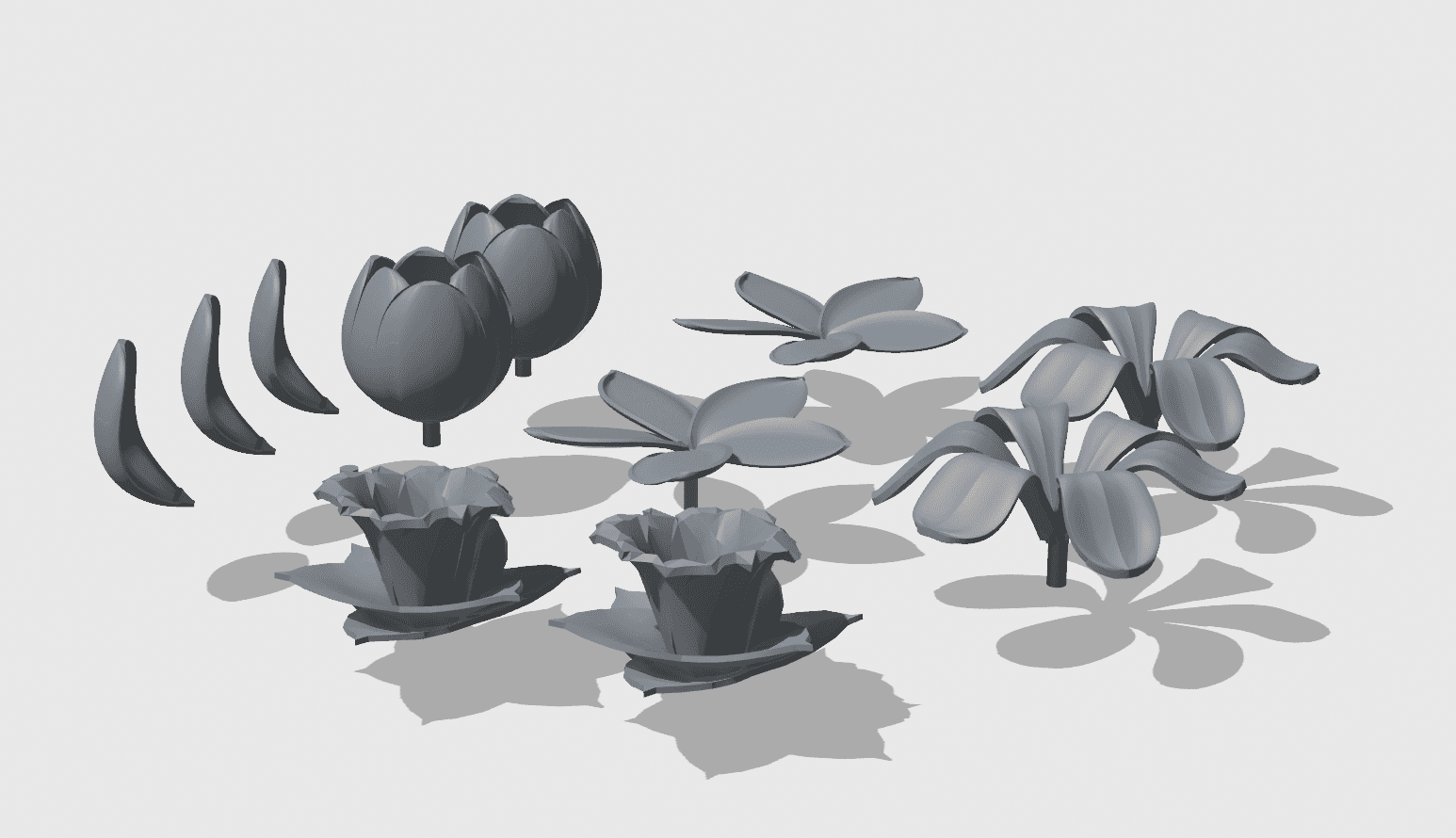
The flower and its adornments needed to be as light as possible, or the flower would tilt to one side. To save time, we sourced models from online forums and refined them in Blender, making them both thin and 3D-printable. We also made sure to print extra singular petals that could be used to create more realism and depth to the toy but also be used as leaves for the stems.
The Flower Stem
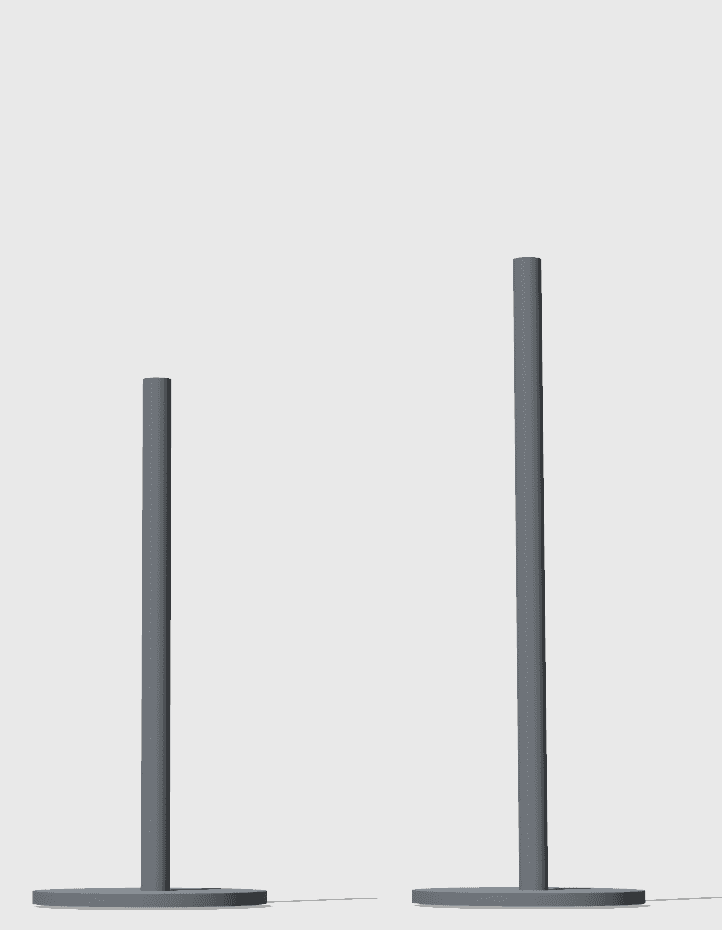
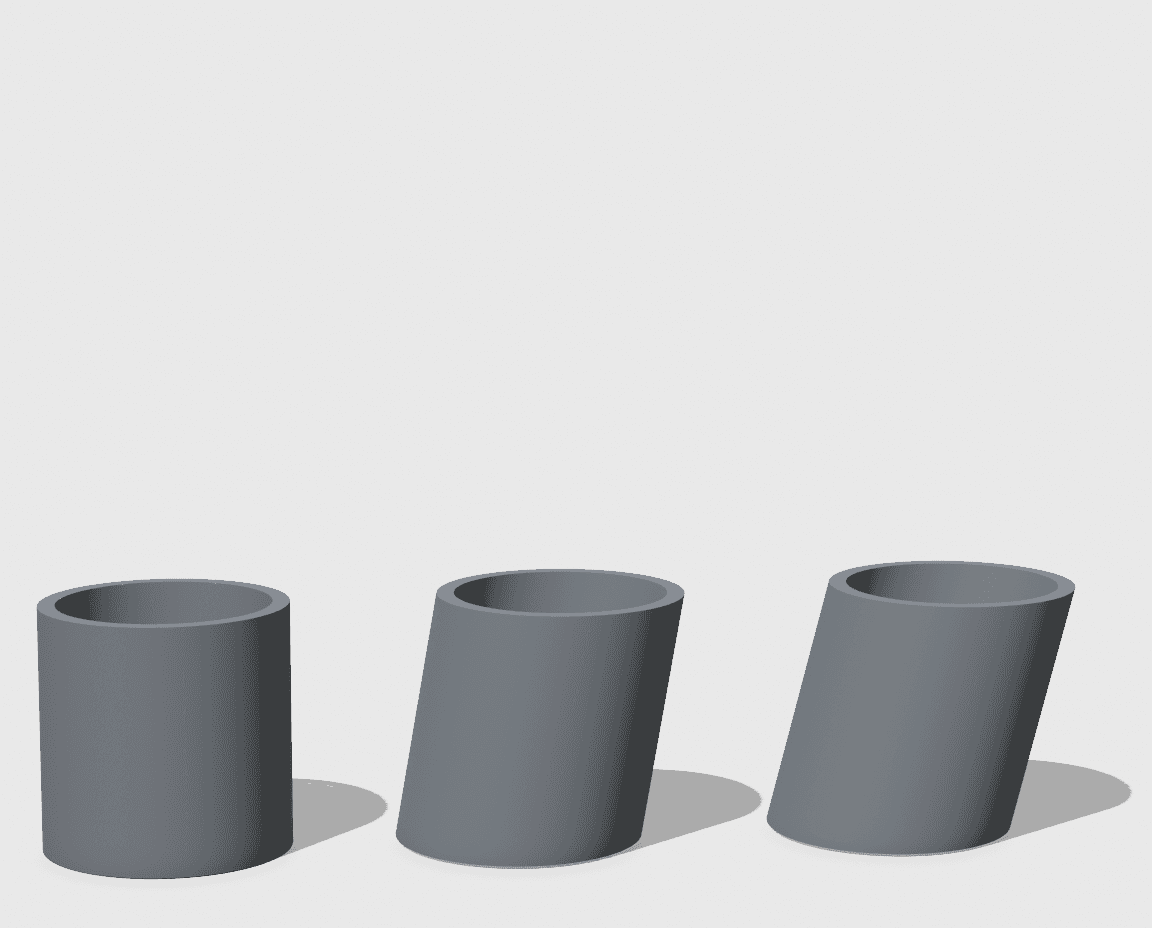
The stem was an integral part of the weeble-wobble system. With limited resources and time, we inserted metal nuts that fit flush inside the cylinders, experimenting with different slant angles to find the wobble that was the most fun. The stems (left image) were designed as caps for the cylinders, securely holding the flowers at the top.
The Vase
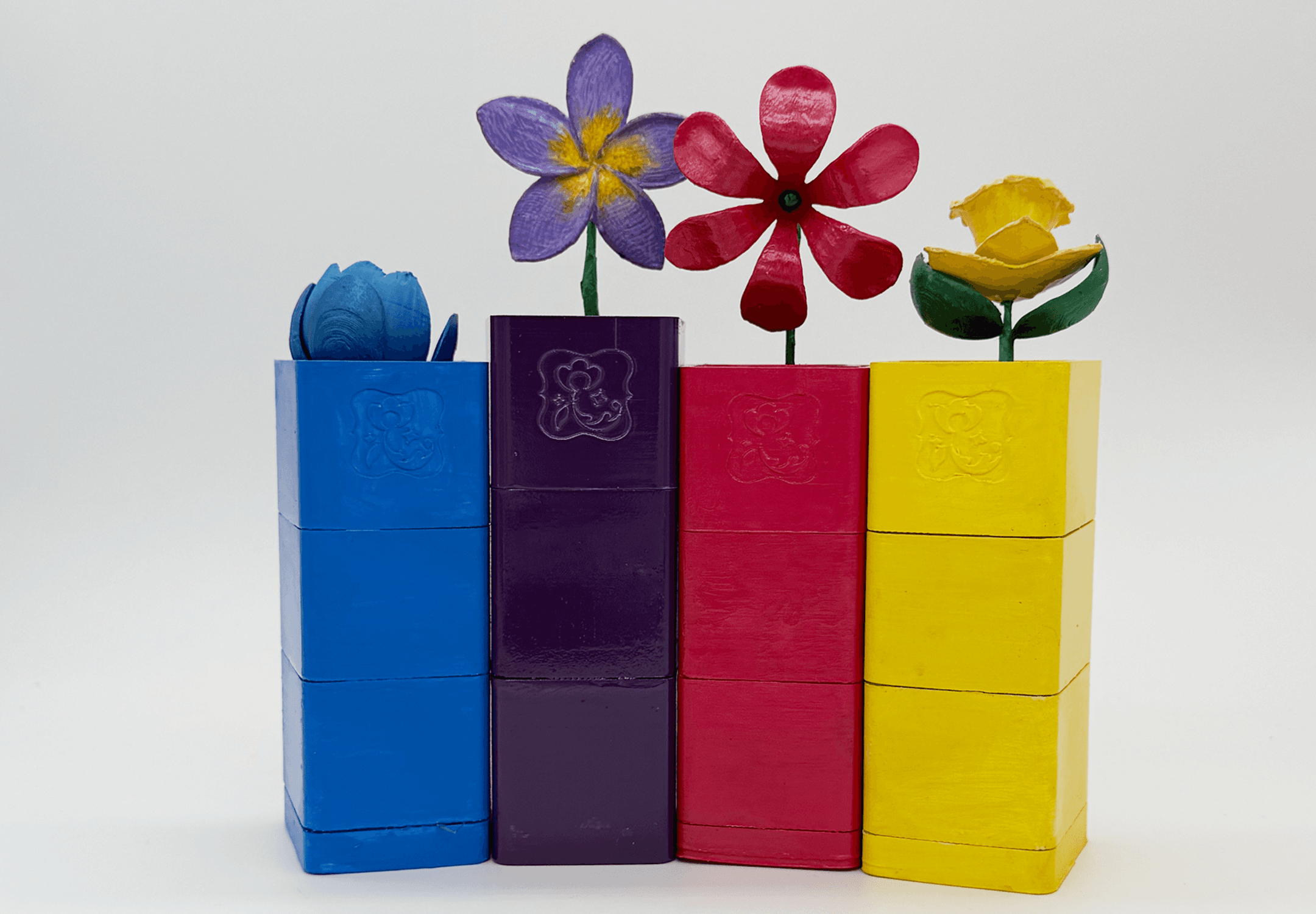
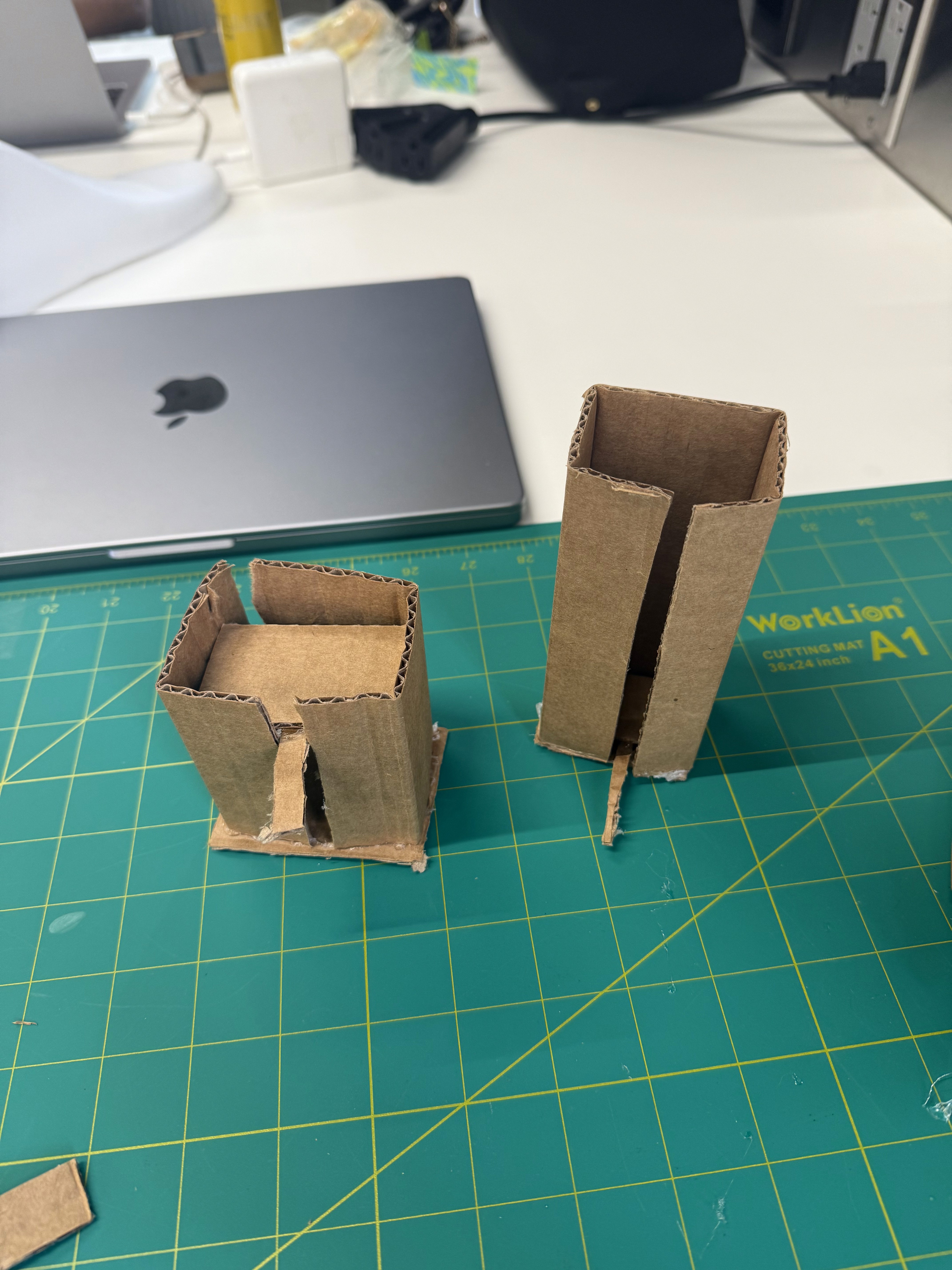
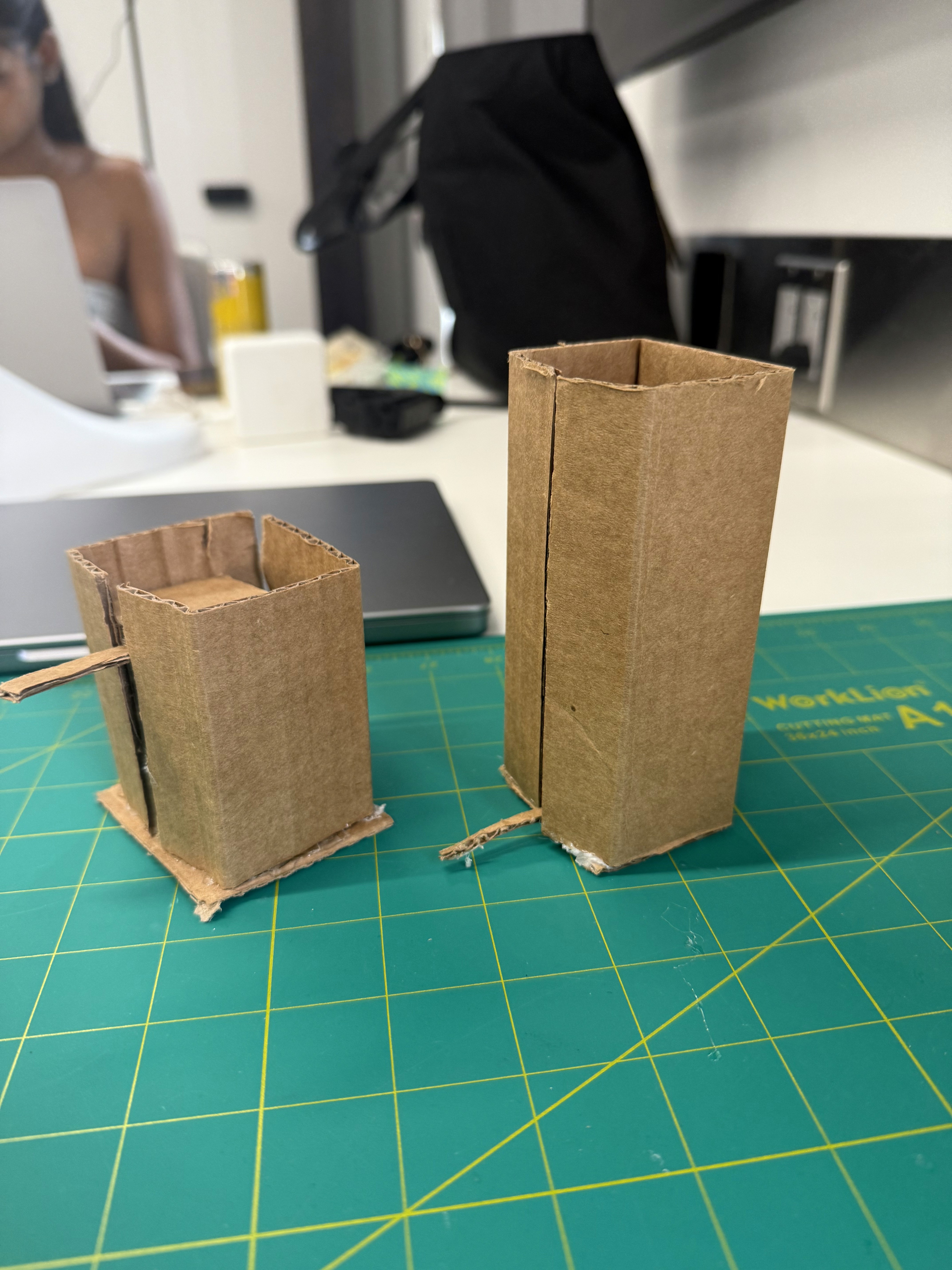
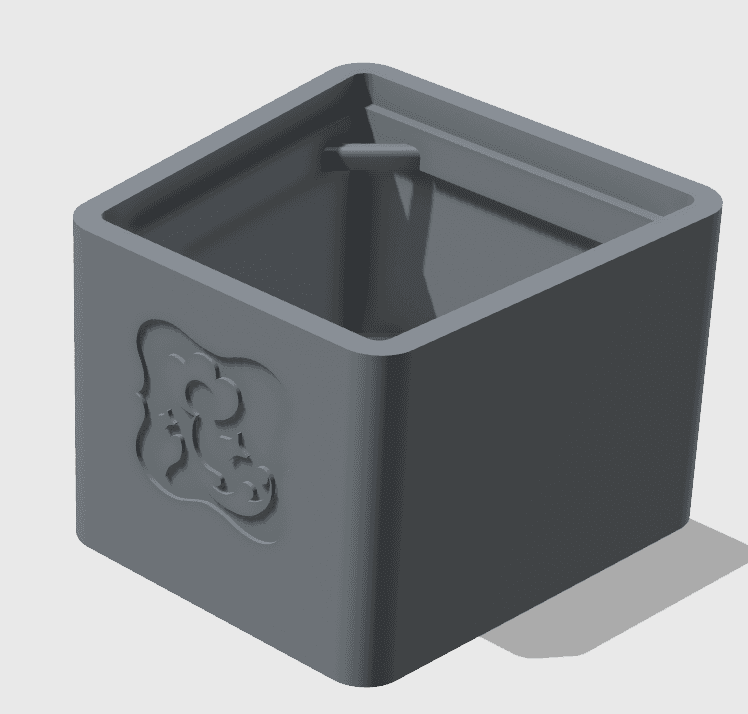
The vase is designed to be modular, giving collectors the freedom to build in different ways. When oriented in the same direction, the pieces form a gentle arch; when alternated, they create a straight line—offering flexibility in how users arrange and display their vases.
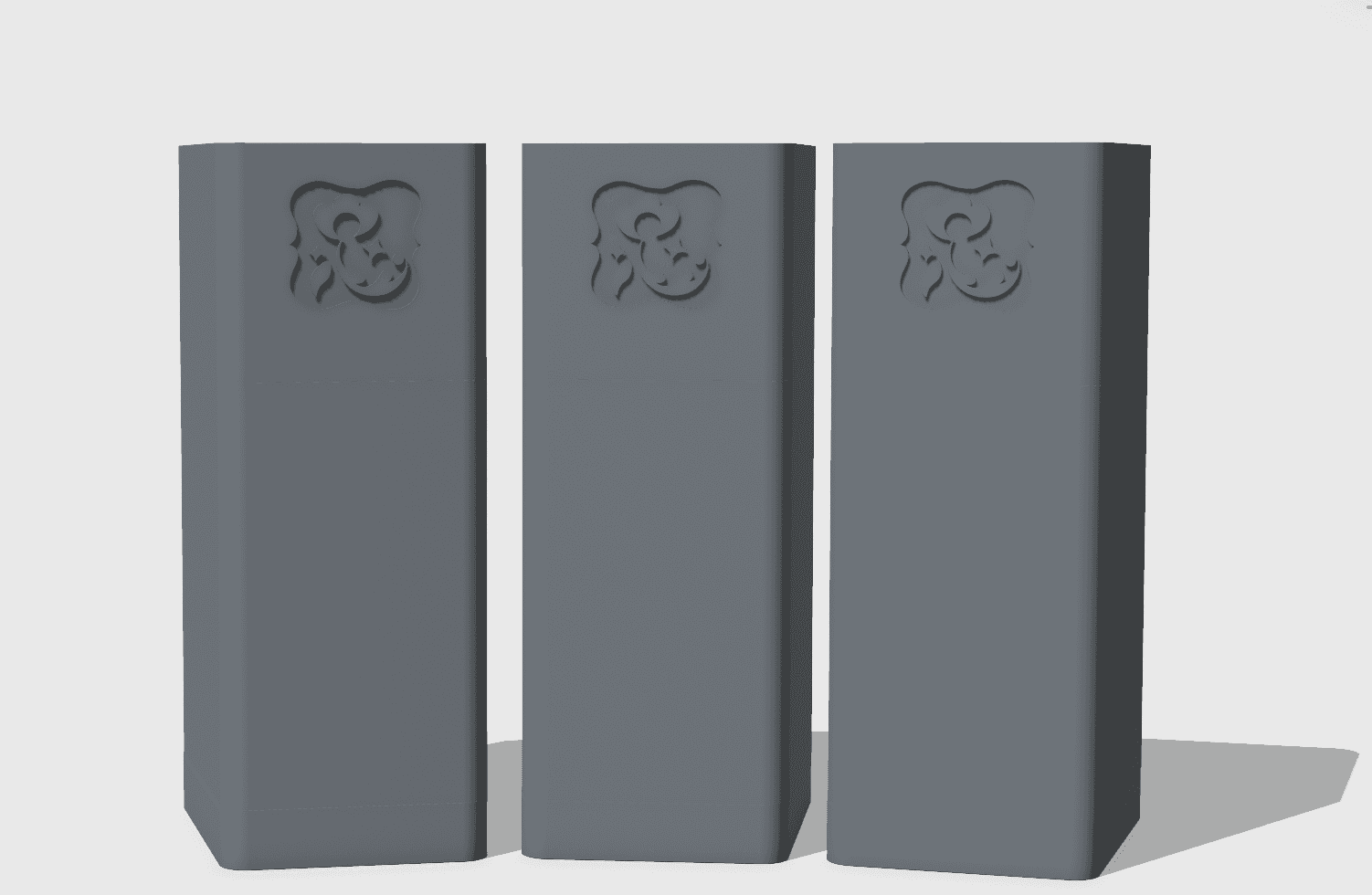
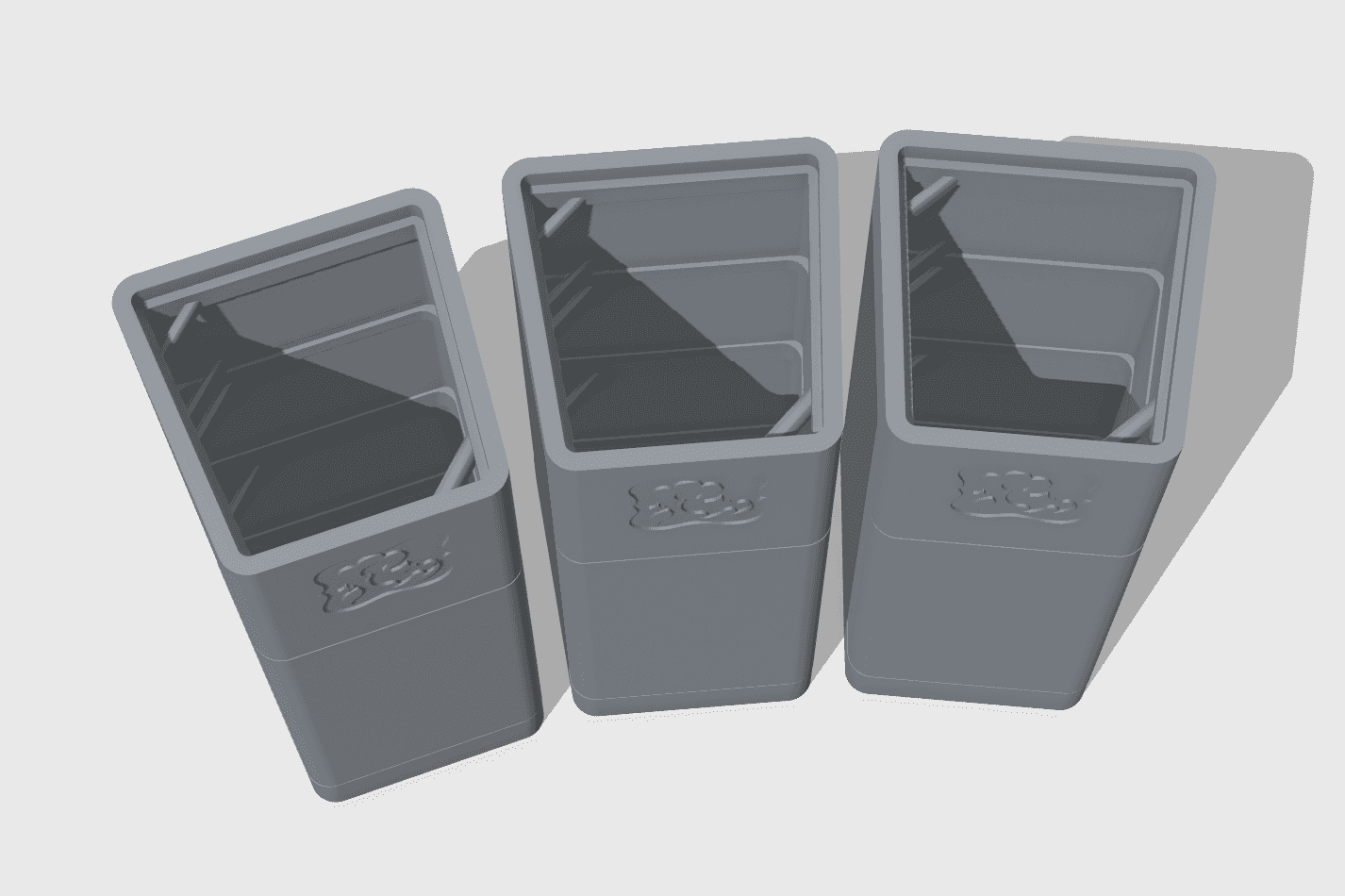
Given our time constraints, we shifted the modularity from the flower to the vase components. This allowed us to still explore the modular system while keeping the design achievable within our timeline.
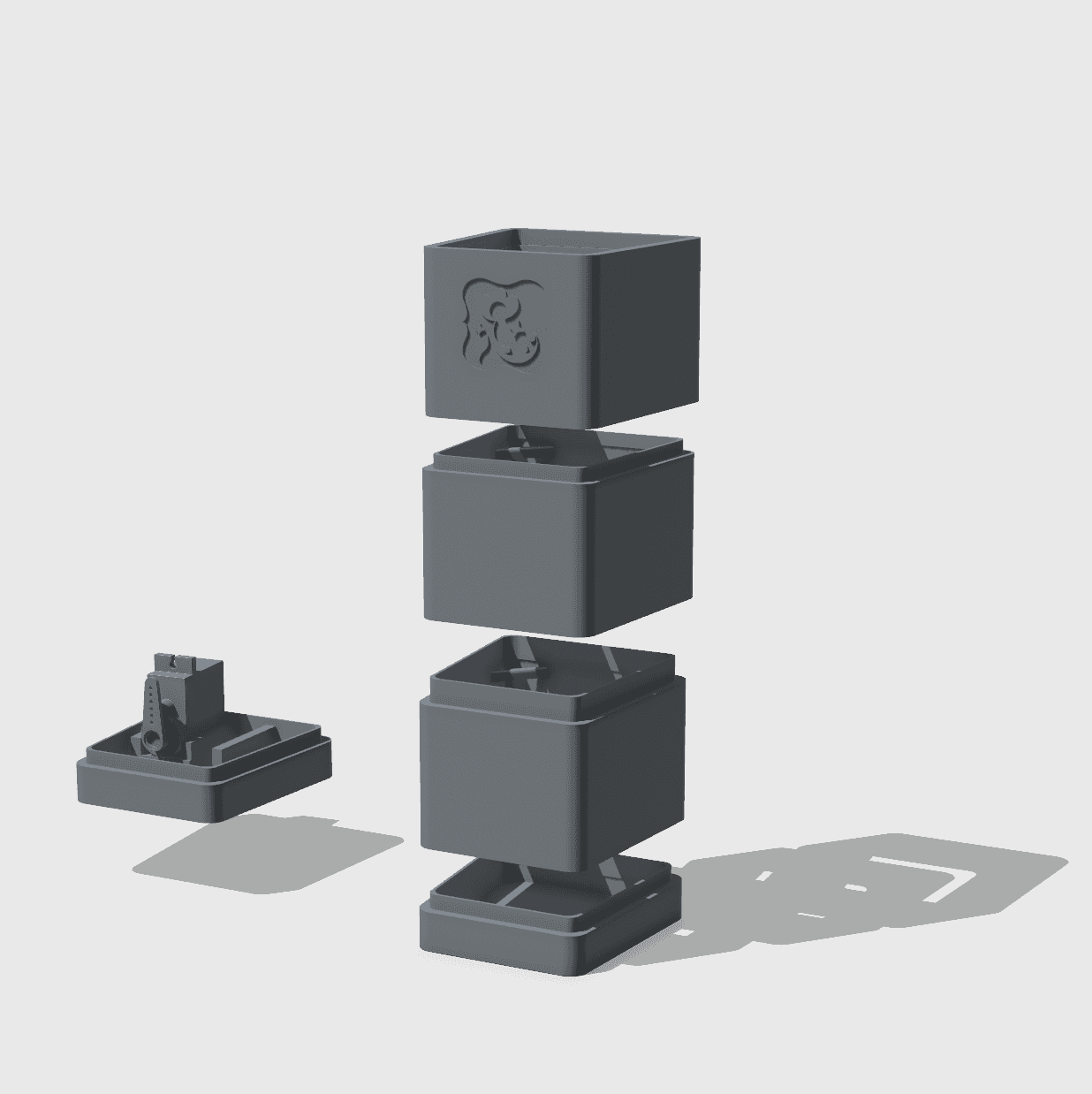
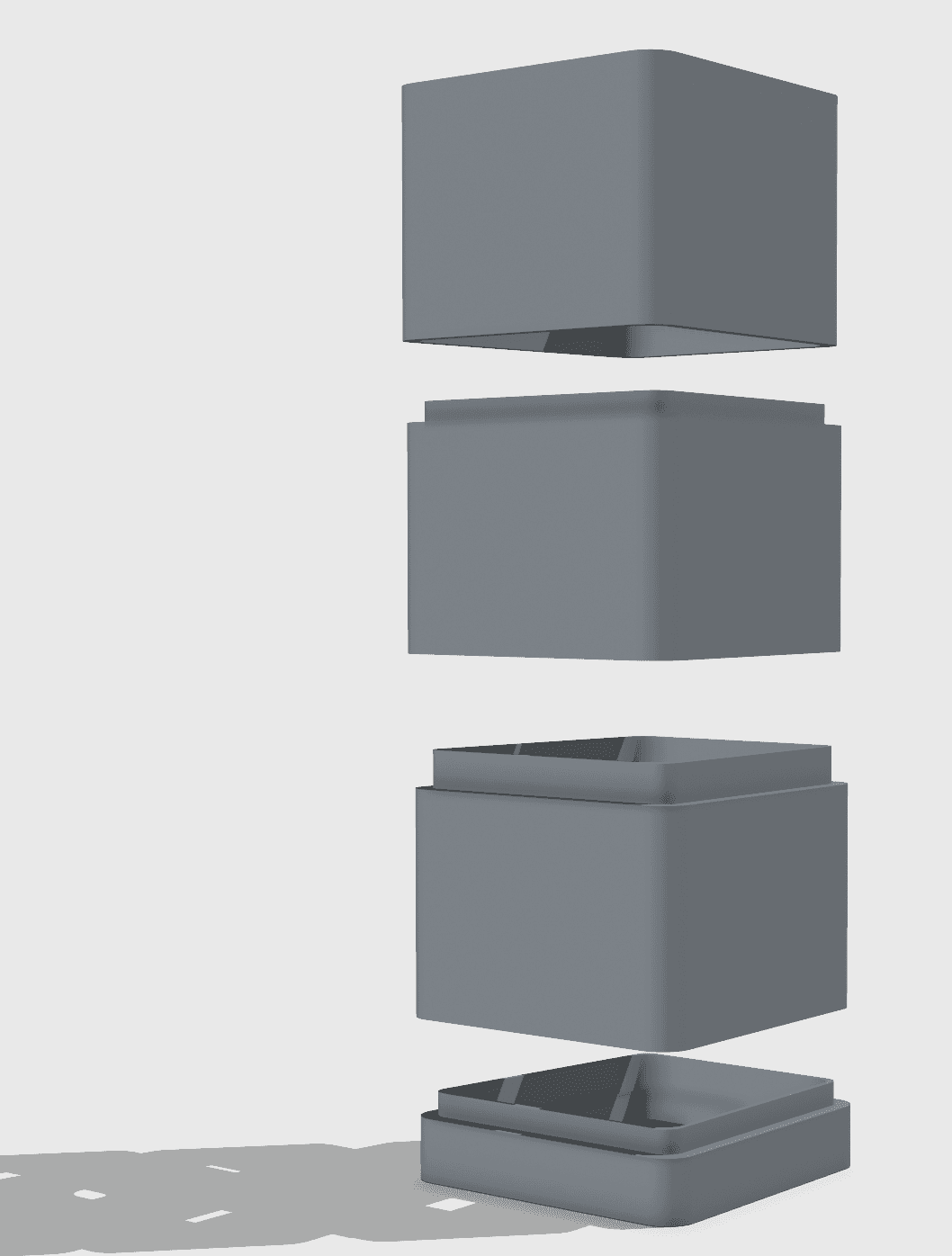
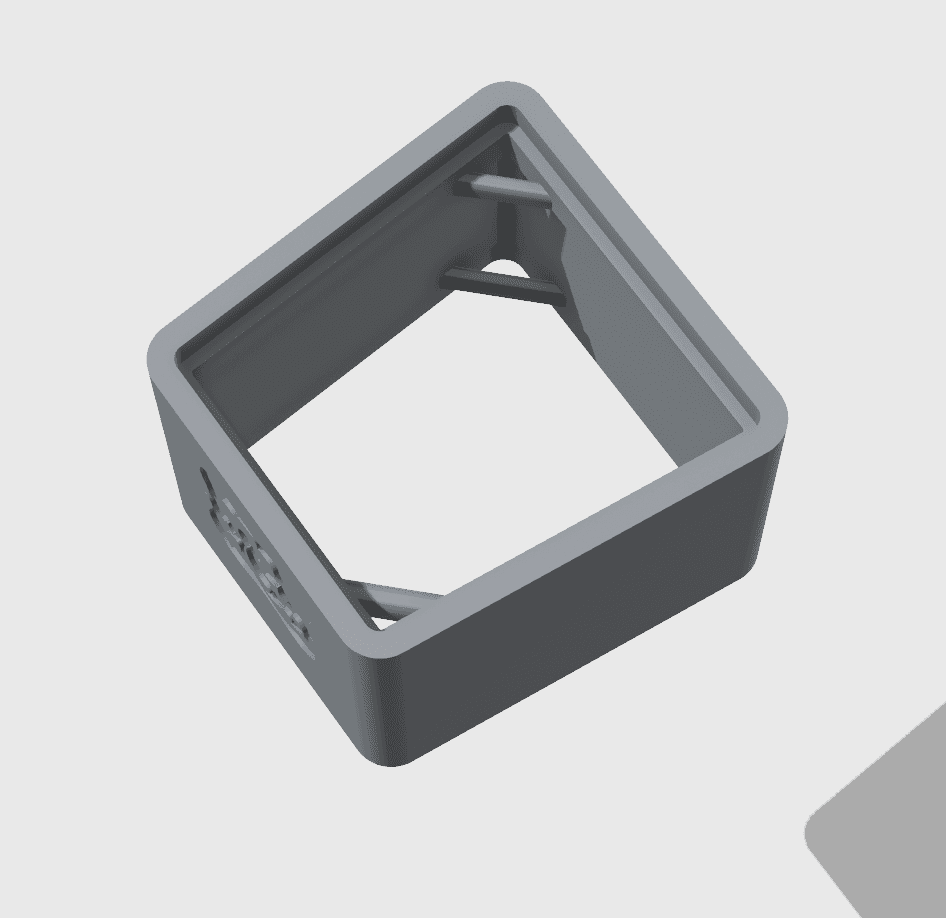
We also integrated small notches into the model to support the pulley string system, allowing the weeble-wobble mechanism to sit securely and move as intended.
Execution
Most development was completed in 2.5 months, leaving the final two weeks for prototype refinement and branding.
I led both the product development and branding efforts, coordinating tasks across the team to ensure we delivered a functional prototype and cohesive product story for the final presentation.